A more confident start with your hardware wallet
A little preparation goes a long way. Here’s what to know as you set up, secure, and begin using a hardware wallet.
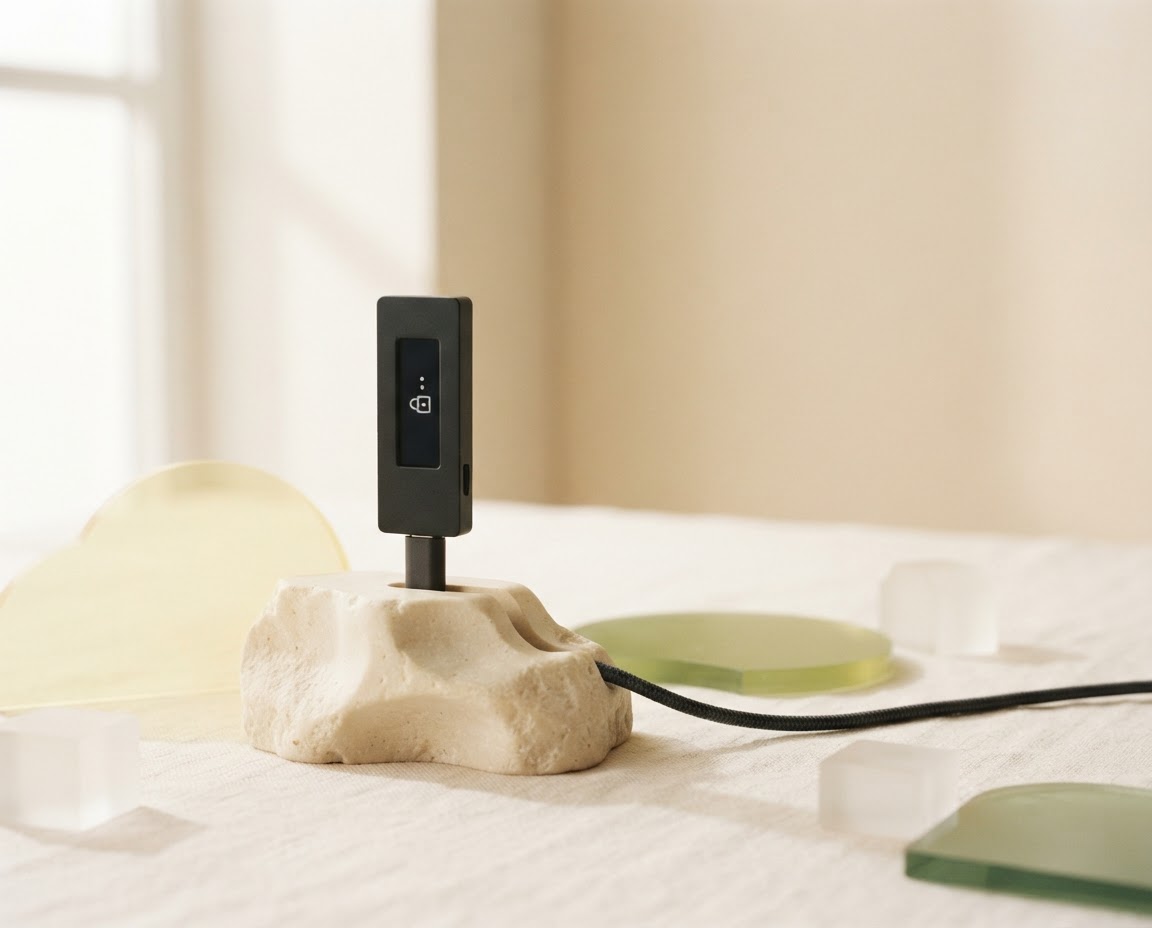
A hardware wallet keeps the keys that authorize your crypto transactions offline, adding a layer of protection. Getting started is straightforward when you slow down and verify each step. Begin by checking the device and packaging for signs of tampering. Use the official Trezor website to reach Trezor Suite; avoid links from unsolicited messages, search ads, or unfamiliar sellers. Connect your wallet and follow the instructions shown in the app and on the device itself. During setup, choose a PIN that is difficult
to guess and never share it. Your recovery seed is the backup to your wallet. Write it down exactly as displayed, keep it offline, and store it somewhere private and secure. No legitimate support agent needs to see it. Once setup is complete, take time to explore account management, supported assets, and device updates in the official app. Before sending funds, double-check the recipient address and network on the device screen, not only on your computer. Consider a small test transaction first. A hardware wallet cannot remove every risk: phishing, unsafe devices, and careless backups still matter. Good security is a habit. Keep your software current, protect your recovery backup, and pause whenever a request feels unusual.